
How to Track Who Opened a File: The Complete Guide to Document Tracking and Secure File Sharing
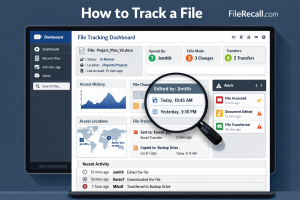
How to Track Who Opened a File
Introduction
Have you ever sent an important file and wondered whether anyone actually opened it?
Whether you’re sharing a business proposal, legal agreement, investor presentation, financial report, confidential script, or client document, knowing whether the recipient viewed the file can be incredibly valuable.
For businesses, sending a document is often only the beginning of the process. What happens after the file is delivered can be just as important as the document itself.
Did the recipient open the file?
How many times was it viewed?
When was it accessed?
Has it been downloaded?
These questions are difficult to answer when using traditional email attachments. Once a file leaves your inbox, visibility is often lost.
Fortunately, modern secure file sharing platforms provide powerful document tracking capabilities that allow you to monitor file activity and gain greater control over your shared information.
In this guide, we’ll explain how to track who opened a file, why file tracking matters, and how businesses can use document activity data to improve security, accountability, and decision-making. It’s vital to know how to track who opened a file.
Why Tracking File Activity Matters
Most businesses share hundreds or even thousands of documents every year.
These may include:
- Contracts
- Legal agreements
- Financial statements
- Investor presentations
- Sales proposals
- Client reports
- Human resource documents
- Intellectual property
- Confidential business plans
Once these files are shared, organizations often have little visibility into what happens next.
Without document tracking, businesses are forced to guess:
- Did the recipient receive the file?
- Did they actually read it?
- Are they interested?
- Was the document forwarded?
- Has anyone else viewed it?
File tracking helps answer these questions and provides valuable insight into how documents are being used.
Traditional File Sharing vs Modern File Tracking
Traditional email attachments were never designed to provide detailed document visibility.
When you send a file as an attachment:
- The recipient can download it immediately.
- The file can be copied or forwarded.
- Access cannot easily be revoked.
- Tracking is usually unavailable.
- The sender loses control.
This creates a significant blind spot.
Modern secure file sharing platforms take a different approach.
Instead of sending the actual file, they provide secure access links that allow document activity to be monitored and managed.
This approach creates opportunities for:
- File tracking
- Access monitoring
- Activity reporting
- Access revocation
- Document security
How File Tracking Works
Secure file sharing platforms typically store documents in a protected environment.
When a recipient accesses the file, the platform records activity information that can later be viewed by the sender.
Depending on the platform, tracked information may include:
File Open Events
The system records when a document is opened.
This helps confirm that the file was actually viewed.
Access Date and Time
Knowing exactly when a document was accessed can provide useful business insights.
For example, a sales team may see that a prospect viewed a proposal shortly before a scheduled meeting.
Number of Views
Some platforms record how many times a document has been accessed.
Multiple views often indicate increased interest or engagement.
Download Activity
Tracking whether a file has been downloaded helps organizations understand how documents are being used.
User Activity
In some cases, platforms can identify the individual user accessing a document.
This creates greater accountability and transparency.
👉 Start Free Trial (No Credit Card Required)
Business Benefits of Tracking Who Opened a File
Better Follow-Up Timing
One of the most practical benefits of document tracking is improved communication timing.
Imagine sending a proposal to a prospective client.
Rather than guessing when to follow up, you can see who opened the file and viewed and engage at the right moment.
This can improve response rates and strengthen business relationships.
Improved Security
Document tracking is also an important security feature.
Unexpected activity may indicate:
- Unauthorized access
- Incorrect recipients
- Improper sharing
- Potential security concerns
Early visibility allows organizations to respond more quickly.
Greater Accountability
Knowing who opened a file creates accountability for both senders and recipients.
This is particularly valuable when handling:
- Legal documents
- Compliance records
- Financial reports
- Confidential business information
Organizations gain confidence knowing that document activity can be monitored.
Better Decision-Making
Data provides insight.
Understanding how documents are accessed helps businesses make better decisions about:
- Client engagement
- Investor interest
- Proposal performance
- Internal workflows
Document tracking transforms file sharing from a simple transaction into a measurable business process.
Industries That Benefit from File Tracking
Legal Services
Law firms regularly exchange confidential contracts, agreements, and case-related documents.
Tracking access helps maintain oversight and accountability.
Accounting and Finance
Financial professionals often share sensitive information that requires visibility and control.
Tracking helps confirm document delivery and engagement.
Startups and Investors
Entrepreneurs frequently distribute investor presentations and fundraising materials.
Knowing when investors view these documents can provide valuable insight into potential interest.
Film and Television
Production companies often share confidential scripts, budgets, pitch decks, and creative materials.
Document tracking helps protect intellectual property while monitoring engagement.
Consulting and Professional Services
Consultants can gain visibility into client interactions with reports, recommendations, and strategic plans.
👉 Start Free Trial (No Credit Card Required)
How File Tracking Supports Secure File Sharing
Tracking alone is useful.
However, it becomes significantly more powerful when combined with secure file sharing controls.
Modern platforms often combine document tracking with:
File Recall
The ability to revoke access after sending.
If a document is accessed unexpectedly, users can disable access immediately.
👉 Learn more about How to Recall a Sent File.
Access Revocation
Users can remove permissions whenever circumstances change.
👉 Read Can You Revoke Access to a Shared File?
Password Protection
Additional authentication helps ensure only authorized recipients can access documents.
Expiry Dates
Documents can automatically become inaccessible after a specified time period.
Watermarking
Watermarks help discourage unauthorized distribution and improve accountability.
Common Questions About Tracking Who Opened a File
Can I Track a Standard Email Attachment?
In most cases, traditional email attachments offer very limited tracking capabilities.
Once downloaded, visibility is usually lost.
Secure file sharing platforms provide significantly greater insight.
Is File Tracking Legal?
Generally, yes.
However, organizations should ensure tracking practices comply with local privacy laws and company policies.
Transparency and appropriate disclosure are always recommended.
Can I See Who Downloaded a File?
Many secure file sharing platforms provide download tracking and activity reporting.
Available features vary depending on the platform.
Can I Stop Access After Someone Opens a File?
Yes.
Modern file recall platforms allow users to revoke access even after a file has been shared.
Best Practices for Document Tracking
To maximize the benefits of file tracking:
Use Secure File Sharing Platforms
Avoid relying solely on traditional email attachments.
Monitor Activity Regularly
Review access logs and investigate unusual behavior.
Combine Tracking with Security Controls
Use passwords, expiry dates, watermarking, and file recall capabilities.
Share Only What Is Necessary
Limit exposure by sharing only relevant information.
Revoke Access When Appropriate
Remove permissions when projects conclude or documents are no longer required.
The Future of File Tracking and Document Control
As businesses become increasingly digital, visibility into document activity is becoming a critical component of modern information security.
Organizations no longer want to simply send files.
They want to understand:
- Who accessed the document?
- When was it viewed?
- Was it downloaded?
- Can access be revoked?
- Is the information still protected?
Document tracking helps answer these questions while improving security, accountability, and operational efficiency.
👉 Start Free Trial (No Credit Card Required)
Conclusion
Tracking who opened a file provides valuable insight into how documents are being accessed and used.
For businesses sharing contracts, financial information, legal documents, investor presentations, confidential scripts, and sensitive client records, document tracking offers a powerful combination of visibility and security.
When combined with file recall, access revocation, password protection, expiry controls, and watermarking, document tracking becomes an essential part of modern secure file sharing.
Rather than sending documents and hoping for the best, organizations can make informed decisions based on real activity data while maintaining greater control over their most valuable information. it’s important to know how to track who opened a file.